.png "Casa Select")
If you are spending Christmas in Spain for the first time, or if you are considering buying a home here, the festive period can feel very different from what you may be used to.
The days are lighter. Life moves more slowly. Family and time together matter more than schedules or shopping lists. For many international residents and buyers, Christmas is the moment Spain stops feeling like a holiday destination and starts feeling like home.
This guide explains what the Christmas period in Spain looks like from now through early January. What happens day to day. What stays open. What closes. And why this time of year often confirms a decision to live here.
By late December, Spain has clearly shifted into festive mode.
Shops are open but less rushed. Long lunches are common. Evenings are quieter. People make time for conversations instead of errands.
In coastal towns such as Nerja, Torrox and Frigiliana, there is a strong sense of local life continuing as normal, just at a gentler pace. Many international residents stay for Christmas, and those who visit at this time experience daily life as it really is, without the summer crowds.
December 24th is one of the most important days of the Christmas period.
Most offices, shops and services close early. By late afternoon, streets become quieter as families head home to prepare for dinner.
Christmas Eve dinner is the main Christmas celebration in Spain. Families gather for long meals that can last well into the night. Food varies by region but often includes seafood, roasted meats, salads, cheeses and traditional desserts such as turrón and polvorones.
The focus is not on gifts. It is on being together.
Christmas Day on December 25th is calm. Most shops are closed. Many restaurants are closed or open only for lunch. Streets feel peaceful, especially in residential areas.
This is a day for staying close to home, going for a walk, visiting family or simply resting. In southern Spain, it is very normal to see people walking along the beach or sitting outside in the winter sun.
For many people moving from busier countries, this slower pace is one of the most appealing aspects of living in Spain.
One of the biggest differences for newcomers is that Christmas Day is not the main gift giving day.
In Spain, children traditionally receive their presents on January 6th, known as Three Kings Day. This tradition is still very strong and shapes how the entire festive period feels.
December is about family meals and gatherings. January is about gifts.
New Year’s Eve is social but generally relaxed.
Families usually eat dinner together at home before watching the countdown. At midnight, people eat twelve grapes, one for each bell strike, symbolising good luck for the coming year.
Some towns host public celebrations, while others remain quieter. Many people choose to celebrate at home or with close friends.
January 1st is another very slow day, with most shops closed and very little activity.
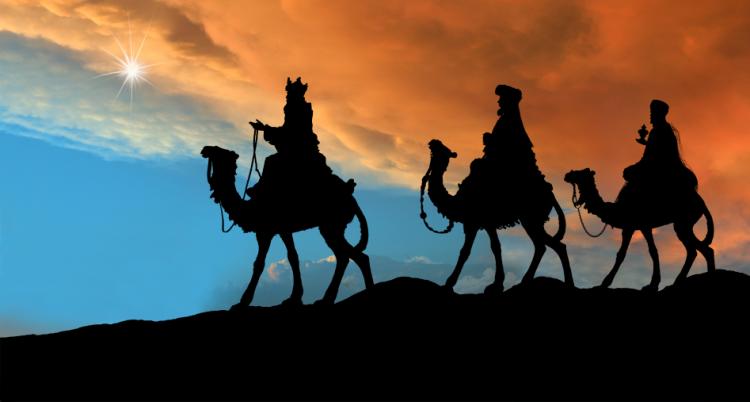
January 5th and 6th are the most important dates of the Spanish Christmas period.
On the evening of January 5th, towns host the Cabalgata de Reyes. A parade celebrating the arrival of the Three Kings. Children line the streets to watch the floats and collect sweets thrown from the parade.
On the morning of January 6th, children receive their gifts. Families gather again, and the Christmas period officially comes to an end.
January 6th is a public holiday. Shops and offices are closed, and life slows down one last time before returning to normal.
During the festive period, supermarkets remain open most days, inclusing Sundays, with closures mainly on December 25th, January 1st and 6th.
Bars and cafés often stay open, especially in coastal areas with international communities.
Banks, government offices and administrative services close on public holidays and often operate reduced hours between Christmas and New Year.
If you need to organise paperwork or property related matters, it is best to allow extra time. Spain respects the Christmas pause.
For many international homeowners, Christmas is when Spain truly feels like home.
There is less noise.
Less traffic.
More space.
Daily routines become simpler. You walk more. You shop locally. You start recognising faces and being recognised in return.
In towns like Nerja, Torrox and Frigiliana, community life remains visible even in winter. This sense of connection is one of the reasons many people choose to live here year round.
From a property perspective, Christmas is quieter but still active.
Viewings continue, particularly with buyers already in Spain. Sellers who list at this time are often serious and motivated.
At Casa Select, we find that buyers visiting during the Christmas period tend to make more considered decisions. They experience the area without the influence of summer tourism and see how it feels to live here day to day.
For many, this clarity is invaluable.
Christmas in Spain is not about perfection.
It is about time.
Family.
Shared meals.
And space to breathe.
For many people, their first Christmas here is the moment they stop thinking about Spain as a future plan and start thinking of it as home.
If you are considering buying or selling property in the area, or simply want honest local advice, Casa Select is here to help.
Spain's Supreme Court partially annulled the national rental register in May 2026. What Andalucía owners must still register, and which code goes on a listing.
Read MoreViewing homes on the Costa del Sol this summer? See past the sunshine, spot a true year-round home, and act on the right one with confidence.
Read MoreWhy the coast between Torrox and Almuñécar stays low-density, and what that means if you are buying or selling a home here.
Read MoreContact Us